Understanding Dry Eye Syndrome

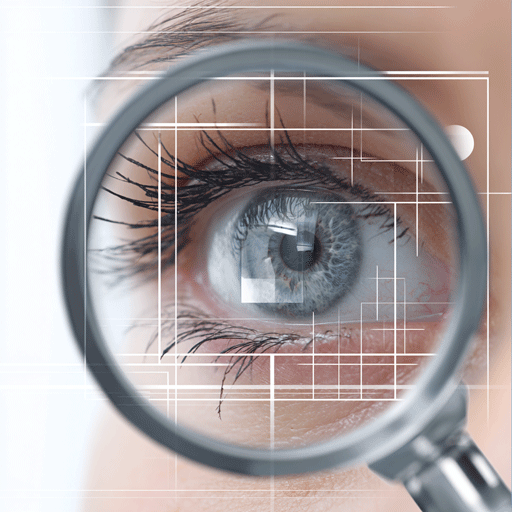
Dry eye syndrome is a common condition that occurs when the eyes do not produce enough tears or when the tear film is unstable. Tears play a crucial role in maintaining the health of the ocular surface and supporting healthy vision. When tear production is compromised or the tear film evaporates too quickly, it can lead to discomfort, blurred vision, and inflammation. Without early detection and treatment, dry eye disease can affect your quality of life and increase the risk of more serious eye conditions.

View Video

What causes dry eye to develop?

Your chances of developing dry eye increase as you get older, but there are many causes of dry eye, including:

Eye conditions

Blocked meibomian glands and inflammatory conditions such as uveitis and blepharitis

Medical conditions

Diabetes, rheumatoid arthritis, and rosacea are a few examples of conditions causing dry eye

Medications

Many medications cause dry eyes, including antihistamines, decongestants, and antihypertensives.

Prolonged screen time

When you look at a computer or TV screen, you blink less often, which reduces the tear film

Signs and Symptoms of Dry Eye Syndrome

Dry eye can result from several factors including age, certain medications, meibomian gland dysfunction, autoimmune disorders, and prolonged screen time. People who wear contact lenses or have undergone LASIK surgery may also be more prone to developing dry eye. Early signs of the condition include:

  • Watering/excessive tearing
  • Itching
  • Stinging
  • Redness
  • Light sensitivity
  • Eye fatigue
  • Blurry vision

Comprehensive Dry Eye Diagnosis

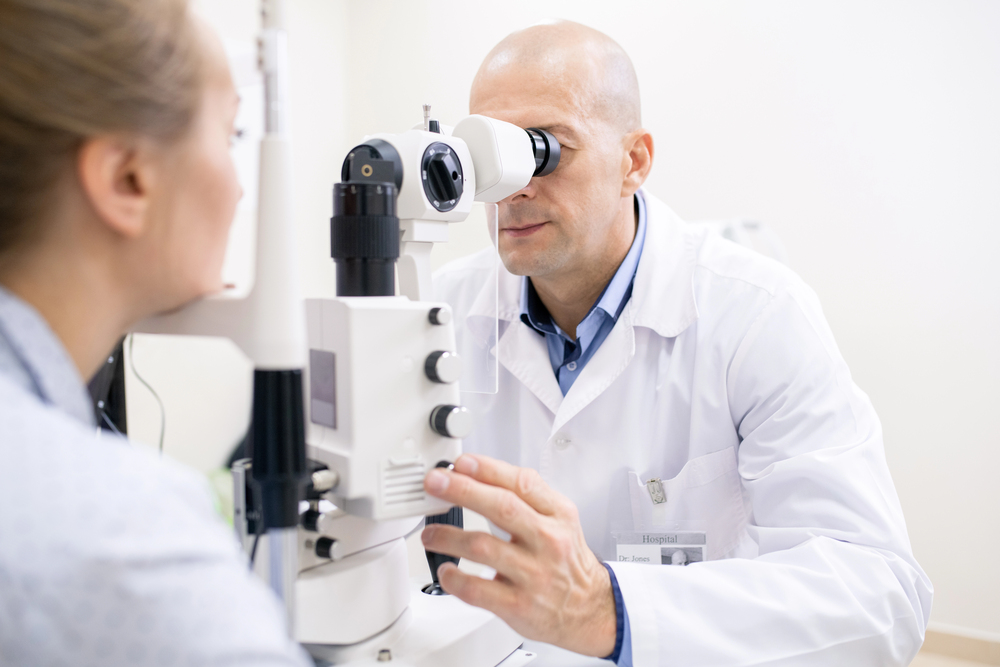
At Charleston Cornea & Refractive Surgery, every patient receives a comprehensive eye exam to assess tear production, tear film stability, and the health of the ocular surface. Using advanced technology, we evaluate the inner layer of the tear film and identify blockages in the meibomian glands that may be contributing to your dry eye symptoms. This detailed approach helps us create a personalized treatment plan tailored to your unique needs and symptoms.

How are dry eyes treated?

Over-the-counter or prescription eye drops may provide enough lubrication to relieve your dry eye symptoms. Dry eye treatment at Charleston Cornea & Refractive Surgery is customized to each patient to produce the most effective results. Any underlying health conditions must also be diagnosed and treated. Dr. O’Day may also recommend treatments such as:
Dry Eye Center 2

Punctal plugs

Punctal plugs are placed into your tear ducts to partially or completely stop tears from draining out of your eyes. Your plugs may consist of a substance that’s gradually absorbed into your body, or they could be made of silicone, which is removed when your symptoms improve.

Dry Eye Center 3

Restasis®

Dr. O’Day may recommend these prescription eye drops that increase your body’s natural ability to produce tears.

Dry Eye Center 4

LipiFlow®

When your dry eyes are caused by blocked meibomian glands, the LipiFlow Thermal Pulsation System applies heat and gentle motion to eliminate oils obstructing the gland.

Dry Eye Center 5

ThermiEyes®

This radiofrequency treatment gently heats the skin and tissues around your eyes, which improves the quality of your tears and eye comfort.

Dry Eye Center 6

Xiidra® eye drops

Xiidra treats the signs and symptoms of dry eye disease, possibly by reducing inflammation.

Dry Eye Center 7

iLux®

The iLUX® MGD treatment device incorporates innovative technology to deliver treatment directly to the blocked meibomian glands. Providing real-time feedback as they administer therapeutic heat and then express the oil. Now that the glands are unblocked, it will be easier for the oil to be released naturally.

View Video

Preservation of clear vision is within reach. Take the first step today.

Why Choose Our Dry Eye Center in Charleston SC

Patients across South Carolina trust our team of dry eye specialists for expert diagnosis, compassionate care, and results-driven treatments. Our eye doctors are highly trained in treating dry eye syndrome using the most current methods available. We focus on preserving vision, reducing discomfort, and improving quality of life through personalized treatments. Conveniently located in Charleston SC, our Dry Eye Center offers comprehensive care in a supportive environment where your long-term eye health is our top priority.

Take the First Step Toward Lasting Relief

Dry eye disease can interfere with work, reading, driving, and overall comfort. If you are experiencing symptoms of dry eye, contact us to schedule a consultation today. With early detection and a personalized treatment plan, our dry eye doctors can help you manage your symptoms and maintain healthy vision for years to come.

Dry Eye Center 8

Medically reviewed by:

Dr. David G. O’Day,
M.D.

Call Our Team

Whether you’re concerned about your eye health, are interested in vision correction or just need an annual exam, we’re here to help.
Call to talk to us today.

Request an Appointment

Ready to book a consultation or schedule an exam? Request an appointment now. We look forward to help you see more clearly.

Frequently Asked Questions

Dry eye syndrome is the chronic form of dry eye, where the symptoms are ongoing and may require medical treatment. Occasional dry eye can happen to anyone but persistent dry eye syndrome often involves underlying issues with tear film quality or tear production.

While both can cause discomfort, dry eye syndrome typically includes symptoms like stinging, burning, gritty sensation, excessive tearing, or blurry vision. If these symptoms persist or interfere with daily activities, a comprehensive eye exam can help determine the cause.

Yes. There are many dry eye treatment options available ranging from artificial tears and over the counter eye drops to in-office procedures like LipiFlow and punctal plugs. Treatment is most effective when personalized to your symptoms and eye health needs.

Yes. Some people may experience dry eye after LASIK surgery or while wearing contact lenses. We offer solutions that help relieve symptoms and protect long-term ocular surface health.

If you experience symptoms of dry eye that do not improve with over the counter remedies, or if they interfere with your quality of life, it’s time to visit a dry eye specialist. Early detection and proper treatment can help you find relief and prevent complications.