Hearing that you need cataract surgery is often a moment of mixed emotions. While the prospect of any medical procedure is naturally nerve-wracking, the reality of this treatment is overwhelmingly positive. As one of the most successful and safest forms of eye surgery performed today, it represents a definitive turning point for your quality of life. Understanding the process helps replace anxiety with a clear plan for your vision. Here are 11 things you should know if you have been told you need surgery for cataracts.
1. Why Does Vision Become Cloudy When a Cataract Forms?
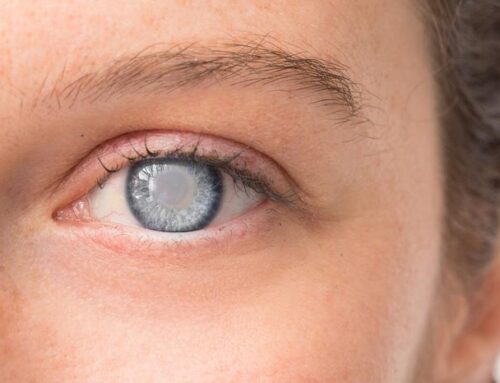
Every human eye contains a natural lens. In a healthy state, this lens is perfectly clear and focuses light onto the back of your eye. As a cataract forms, proteins in the eye begin to clump together. This process turns that clear tissue into a cloudy lens.
When you have a cloudy natural lens, light cannot pass through cleanly. Instead, the light scatters in different directions. This scattering is what creates blurry vision or the sensation that you are looking through a piece of smudged glass. While cataracts usually develop slowly, they can eventually affect one or both eyes, making it difficult to perform basic daily tasks.
2. What Are the Common Symptoms That Cataracts Are Affecting Vision?
Cataracts rarely happen overnight. Most people notice a gradual decline in their ability to see clearly in low-light situations. Common symptoms include blurred vision, double vision, and a significant increase in sensitivity to bright lights.
You might find that your glasses or contact lenses no longer seem to work as well as they once did. Some patients report that colors look faded or yellowish. If you find yourself needing frequent prescription changes at the eye doctor or struggling with night driving due to glare, these are classic vision problems associated with a clouded lens.
3. When Is the Right Time to Recommend Cataract Surgery?
An eye doctor does not typically recommend cataract surgery based solely on the presence of a cataract. Instead, the decision depends on your functional vision. If you have vision loss that prevents you from driving safely or reading comfortably, it is likely time for a change.
Since eye drops or new glasses cannot treat cataracts, surgery is the only way to remove cataracts and restore clarity. The procedure is designed to remove the clouded lens and replace it with a clear artificial lens. This transition is usually life-changing for patients who have lived with worsening vision for years.
4. Is the Procedure Painful or Stressful?
One of the most frequent questions patients ask is whether they will feel pain. Fortunately, cataract surgery is a gentle outpatient procedure. Surgeons use topical anesthesia and a topical anesthetic in the form of specialized eye drops to completely numb the surface of the eye.
While you are awake during the process, you will not feel sharp pain. Most patients describe a sensation of mild pressure or awareness of light but nothing that causes distress. The actual time spent in the operating room is surprisingly short, which helps keep the experience from being stressful. Afterward, any mild discomfort is usually temporary and manageable with over-the-counter options.
5. How Does Modern Cataract Surgery Work?
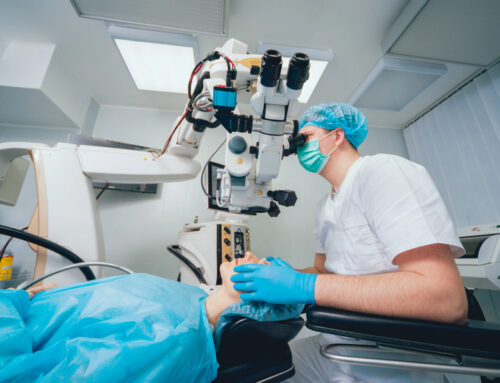
The standard of care today is known as phacoemulsification cataract surgery. This technique is highly sophisticated and relies on ultrasound waves to address the problem. The eye surgeon creates a tiny incision in the cornea to reach the cataract.
Once the surgeon has access, the ultrasound waves break up the cataract into microscopic fragments. These pieces are then gently vacuumed out. This small incision surgery is preferred because it requires no stitches and allows for a much faster recovery period. In some advanced cases, a femtosecond laser is used to make the initial incisions with extreme precision before the cataract is removed.
6. What Is an Intraocular Lens and How Is It Placed?
After the surgeon removes the cloudy lens, your eye needs a new way to focus light. This is accomplished with an artificial lens called an intraocular lens. You will also hear this referred to as an intraocular lens IOL.
This clear lens is folded and inserted through the same tiny incision used to remove the cataract. Once inside, the new artificial lens unfolds and is positioned securely within the posterior capsule. This capsule is the thin membrane that previously held your natural lens. The IOL focuses light properly onto the retina, providing clear vision once again.
7. What Are the Different IOL Lens Options?
Choosing the right lens is a vital part of your surgical plan. There is no “one size fits all” when it comes to an artificial lens. Your eye surgeon will discuss several options based on your goals for your vision after surgery.
Monofocal lenses: These are the most common choice. Monofocal lenses provide clear vision at a single distance, usually for seeing things far away. Most patients who choose this option still wear glasses for reading.
Multifocal lenses: These advanced lenses are designed to provide a range of focus. Multifocal lenses help patients see at both near vision and distance vision, which often reduces the need for glasses in daily life.
Toric lens: If you have pre-existing astigmatism, a toric lens is the best choice. This specific IOL provides astigmatism correction directly, which significantly sharpens the final result.
8. What Does the Recovery Process Look Like?
Because modern techniques involve a tiny incision, the eye begins to heal almost immediately. Most patients notice improved vision within twenty four hours of the outpatient procedure. Your doctor will prescribe specific eye drops to prevent infection and reduce swelling during the first few weeks.
You will be advised to wear sunglasses when outdoors to protect your eye from bright lights during the initial healing phase. You may have to use an eye patch while sleeping for the first few nights to prevent accidental rubbing. Most people return to the office for a follow-up visit the very next day.
9. What If Vision Becomes Cloudy Again Later?
A common misconception is that a cataract can grow back. This is not possible. However, some patients experience a condition called posterior capsule opacification or posterior capsular opacification. This happens when the membrane that holds your new lens becomes hazy.
If you notice cloudy vision months or years after your surgery, do not worry. This is easily corrected with a YAG laser. The YAG laser creates a small opening in the center of the cloudy capsule to let light through again. This quick procedure takes only a few minutes and restores clear vision immediately.
10. Understanding Risk Factors for Cataracts
While aging is the primary cause of a cloudy natural lens, other risk factors can accelerate the process. People with diabetes are at a higher risk for developing cataracts earlier in life. Long term use of certain medications can also lead to a clouded lens.
Environmental factors like smoking and excessive exposure to UV rays from the sun play a role as well. Protecting your eye health by wearing sunglasses and managing chronic conditions can help slow down worsening vision. Your eye surgeon can also monitor you for other eye conditions like macular degeneration during your regular exams.
11. How Improved Vision Changes Your Daily Life
The ultimate goal of replacing a cloudy lens with a clear artificial lens is to give you your independence back. Many patients find that they can enjoy hobbies like reading or sewing again without the constant frustration of blurry vision.
Beyond just seeing more clearly, many people notice that colors are more vibrant and that they feel more confident moving around in their environment. Cataract surgery does more than just fix a lens; it restores your ability to engage with the world on your own terms.
Why Choose Charleston Cornea & Refractive Surgery?
Choosing where to have your eye surgery is a significant decision. At Charleston Cornea & Refractive Surgery, we prioritize a patient-centered approach that focuses on your comfort and long-term results. Our team understands that the idea of surgery can be daunting, so we take the time to answer every question thoroughly.
We utilize the latest technology, including the femtosecond laser and high-quality intraocular lens IOL options, to ensure the best possible outcomes. Whether you need a toric lens for astigmatism correction or are interested in multifocal lenses for a broader range of vision, we provide personalized care tailored to your eyes. If you are ready to address your vision problems and see the world with clarity, contact our office to schedule your consultation today.