When you’re facing cataract surgery, one of the most important questions is whether the results will hold up over time, that is, how long does cataract surgery last? You want to know if this is a permanent solution or if you’ll be dealing with the same vision problems a few years down the road.
The reality is that cataract surgery provides lasting results for the vast majority of patients. Understanding why requires looking at what happens during the procedure and what factors can affect your vision in the years that follow. If you would like to learn more, call Charleston Cornea & Refractive Surgery today to schedule a consultation at (843) 856-5275.
Understanding Cataracts and Cataract Surgery
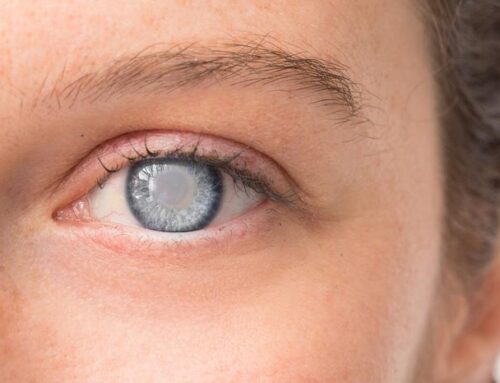
Cataracts develop when the eye’s natural lens becomes cloudy, preventing light from focusing properly. This cloudiness cannot be corrected with glasses or contact lenses once it progresses beyond a certain point.
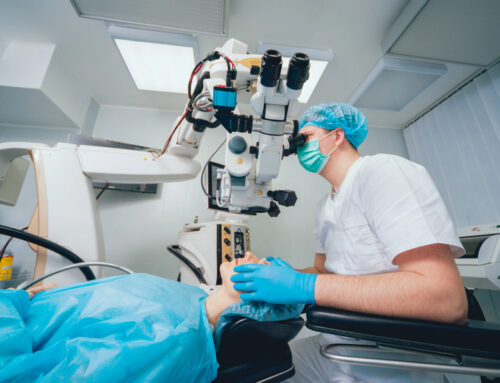
Cataract surgery is an outpatient procedure in which the clouded lens is removed through a small incision. The surgeon uses ultrasound energy to break up the lens, removes it, and replaces it with a clear artificial lens called an intraocular lens (IOL).
The procedure typically takes 15 to 20 minutes and is performed under local anesthesia. The artificial lens is designed to remain in place permanently.
So How Long Do The Results Last?
For most patients, the results of cataract surgery are permanent.
The artificial lens implanted during surgery does not deteriorate or become cloudy over time. Unlike the natural lens, which can develop protein deposits that cause cloudiness, the IOL is made from stable, biocompatible materials designed to maintain clarity indefinitely.
This means the vast majority of patients do not require repeat cataract surgery. The procedure addresses the problem once, providing improved vision that lasts for decades.
Why the Artificial Lens Doesn’t Cloud Over
The natural lens becomes cloudy due to age-related changes in the proteins within the lens. This is a normal part of aging. The artificial lens, however, is manufactured from materials that resist this type of deterioration.
Modern intraocular lenses, whether monofocal, toric, or multifocal, are engineered for long-term stability and optical clarity. The technology has been refined over decades of clinical use and designed to last a lifetime.
Can Vision Become Blurry Again After Cataract Surgery?
While cataract surgery results are permanent, some patients do experience vision changes months or years after the procedure. It’s important to understand that this is not due to cataracts returning.
Once the cloudy lens is removed, cataracts cannot redevelop.
The most common cause of vision changes after cataract surgery is posterior capsule opacification (PCO), sometimes referred to as a “secondary cataract,” though this term is misleading since it is not actually a cataract.
During cataract surgery, the surgeon preserves a thin, clear membrane called the posterior capsule to support the new lens. Over time, cells on this membrane can multiply and cause it to become cloudy.
When this occurs, patients may experience symptoms similar to their original cataract: blurred vision, glare, or difficulty with bright lights.
Posterior capsule opacification develops in approximately 20 to 40 percent of patients, typically months to years after surgery. While it cannot be prevented, it is easily and permanently corrected.
Treatment for Posterior Capsule Opacification
Posterior capsule opacification is treated with a YAG laser capsulotomy, a brief outpatient procedure performed in the ophthalmologist’s office.
During the procedure:
- The doctor uses a focused laser to create a small opening in the clouded capsule
- No incisions are required
- Only numbing eye drops are needed
- The treatment takes just a few minutes
- Vision typically improves within hours to days
Once performed, a YAG laser capsulotomy provides permanent correction. The cloudiness does not return, and no further treatment is needed for this issue.
Other Factors That May Affect Long-Term Vision
Vision changes after cataract surgery may also occur due to other age-related eye conditions that develop independently of the surgery itself. These include:
- Age-related macular degeneration, which affects the central retina
- Glaucoma, a condition involving damage to the optic nerve
- Diabetic retinopathy, which can develop in patients with diabetes
- Dry eye syndrome, a common condition that can cause intermittent blurring
These conditions are not caused by cataract surgery, but they can affect overall vision quality. Regular eye examinations help detect and manage these issues early, preserving long-term visual health. Call Charleston Cornea & Refractive Surgery today to schedule a consultation at (843) 856-5275.
Recovery and Post-Operative Care
Most patients notice significant improvement in their vision within the first few days following surgery. Complete healing typically occurs over several weeks.
Your ophthalmologist will prescribe medicated eye drops to prevent infection and reduce inflammation. Following the prescribed regimen is essential for proper healing.
During the recovery period, patients should:
- Avoid rubbing or putting pressure on the treated eye
- Refrain from heavy lifting and strenuous activity for the first week
- Wear protective sunglasses outdoors, as eyes may be more sensitive to light
- Attend all scheduled follow-up appointments to monitor healing
Follow-up appointments allow your surgeon to ensure the eye is healing properly and the lens remains stable. Most patients find the recovery process straightforward with minimal discomfort.
Maintaining Long-Term Visual Health After Cataract Surgery
After cataract surgery, ongoing eye care remains important for preserving vision and overall ocular health. Recommended practices include:
- Annual comprehensive eye examinations to monitor for age-related conditions and ensure continued visual clarity
- Management of chronic health conditions such as diabetes and hypertension, which can affect eye health
- Prompt reporting of vision changes including new floaters, flashes of light, or sudden vision loss
- UV protection through quality sunglasses to reduce exposure to harmful ultraviolet light
While cataract surgery provides lasting correction of the cataract itself, these practices help protect your vision over the long term.
What This Means for Your Vision
Cataract surgery is one of the most successful and commonly performed procedures in ophthalmology. For the vast majority of patients, the results are permanent. The artificial lens maintains its clarity indefinitely, and vision remains improved for life.
While some patients may experience posterior capsule opacification or develop unrelated age-related eye conditions, these issues are manageable with appropriate treatment and ongoing care. The cataract itself does not return once removed.
Understanding what to expect from cataract surgery, both the lasting benefits and the potential for minor, treatable complications, allows patients to make informed decisions about their eye care with confidence.
Schedule a Consultation At Charleston Cornea & Refractive Surgery
If you are considering cataract surgery or have questions about how the procedure may benefit your vision, Charleston Cornea & Refractive Surgery is here to provide expert guidance.
Our practice specializes exclusively in corneal, cataract, and refractive care. We take the time to explain your options, recommend the most appropriate lens for your needs, and provide comprehensive care throughout your treatment.
Call us at (843) 856-5275 or contact us online today to schedule a consultation and learn more about your treatment options.